
Anesthesia Options - Phoenix, AZ

Conquer Your Dental Fear with Sedation Dentistry

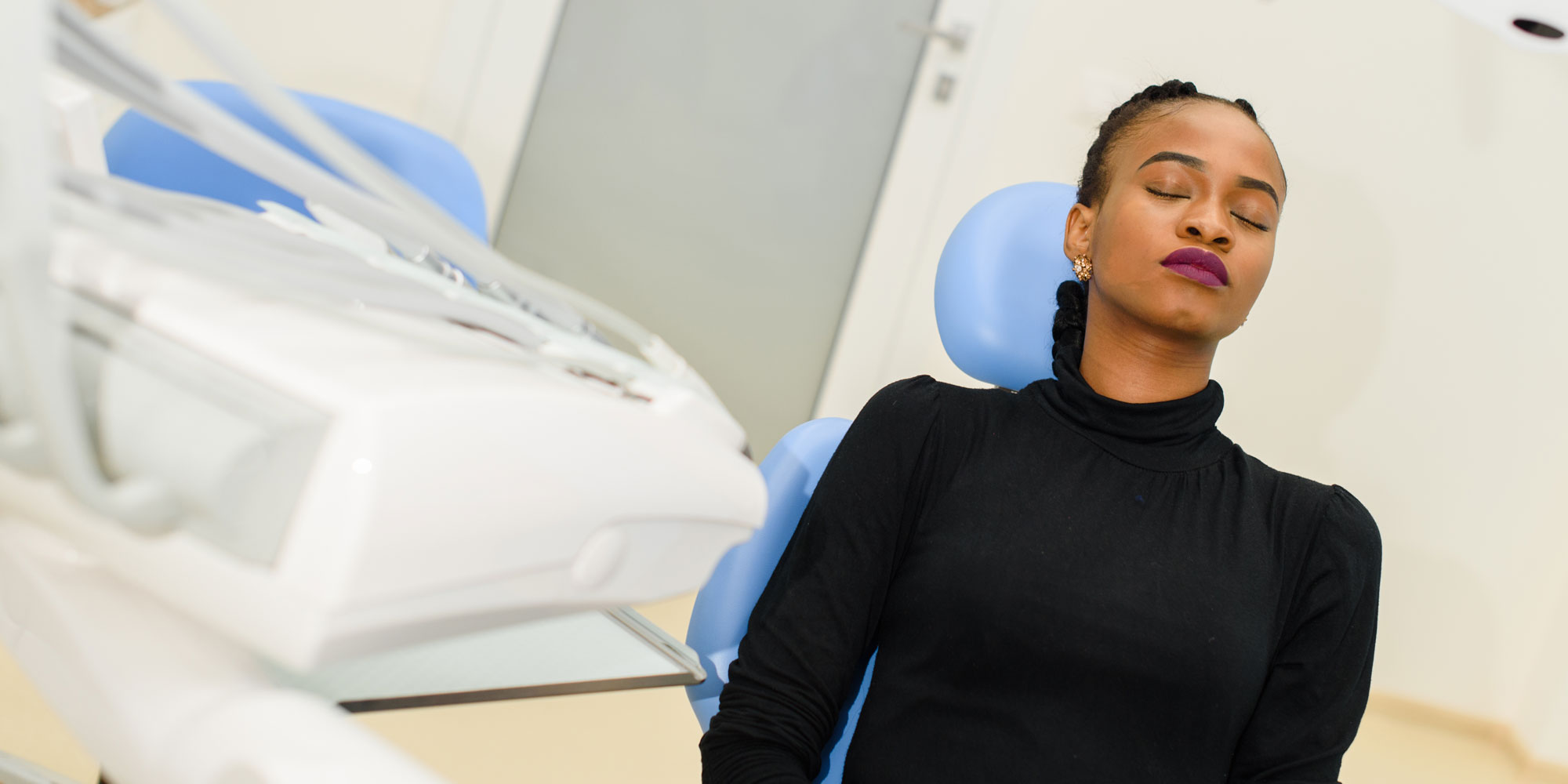
dental patient under sedation

Soothing Sedation Makes Anxiety-Free Dental Care a Reality

At Anderson Dental, our team strives to ensure patients of all ages are comfortable from the moment they arrive at our practice. But we also understand dental anxiety is a common issue that requires a little extra help to relax during treatment.

The truth is, if you’re looking for a tranquil experience in the dental chair, you couldn’t find a better dentist for dental anxiety in Phoenix, AZ, than Dr. Lori Anderson! If you’re seeking sedation for dental implants or another procedure, you’ve found the right dental office!

Sedation Dentistry · Phoenix, AZ

What You Need To Know About
Sedation Dentistry

Sedation anesthesia involves the use of carefully selected medications to help you feel stress-free and comfortable during dental treatment. Our goal is to ensure every visit feels calm and manageable — no matter your level of dental anxiety.

Depending on the method used, you may feel calm, drowsy, or deeply relaxed, often with little to no memory of the procedure afterward. While some people refer to this as sleep dentistry, most forms of sedation allow you to remain awake and responsive while staying completely at ease throughout your visit.
Safe · Carefully Monitored · Fully Reversible
Sedation Dentistry – Anderson Dental Phoenix
Comfort-First Care
Level 01 · Minimal
Calm & Relaxed

You remain fully awake and in control, but anxiety melts away. Ideal for mild dental anxiety or shorter procedures — you'll feel at ease from the moment we begin.

Level 02 · Moderate
Drowsy & Comfortable

You stay responsive but in a deeply relaxed, hazy state. Time seems to pass quickly and most patients have only a vague memory of the procedure — perfect for moderate anxiety.

Level 03 · Deep
Deeply at Ease

For complex treatments or significant dental fear, deeper sedation ensures you are completely comfortable with little to no recollection afterward — awake, yet entirely at peace.
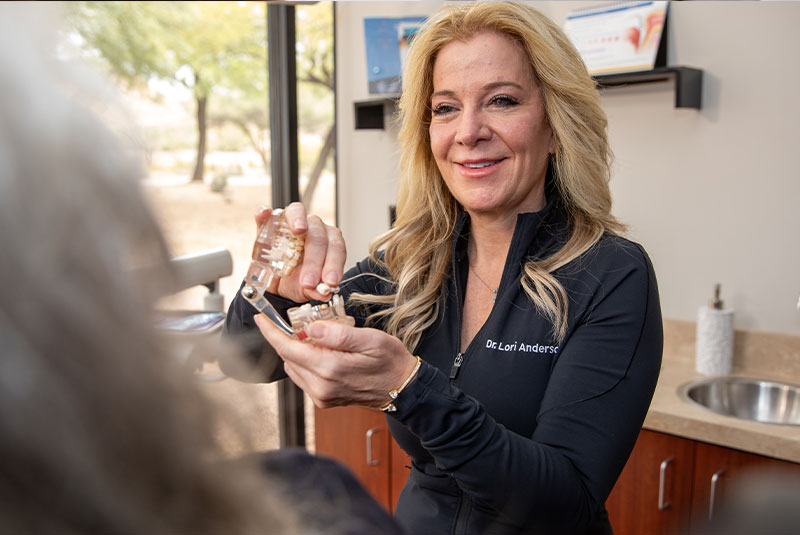
doctor showcasing dull arch model to patient for their implant procedure

Who is a Good Candidate for Sedation Dentistry?

Most patients are excellent candidates for sedation dentistry, although the right option depends on your overall health and specific needs. During your consultation, Dr. Anderson will carefully review your medical history, current medications, and treatment goals to recommend the safest and most effective approach. Dental anesthesia in Phoenix, AZ, may be an ideal solution if any of the following apply to you:

Types of Sedation Anesthesia at Anderson Dental

Our team will help you choose the best sedation type based on your comfort level, treatment needs, and medical history.

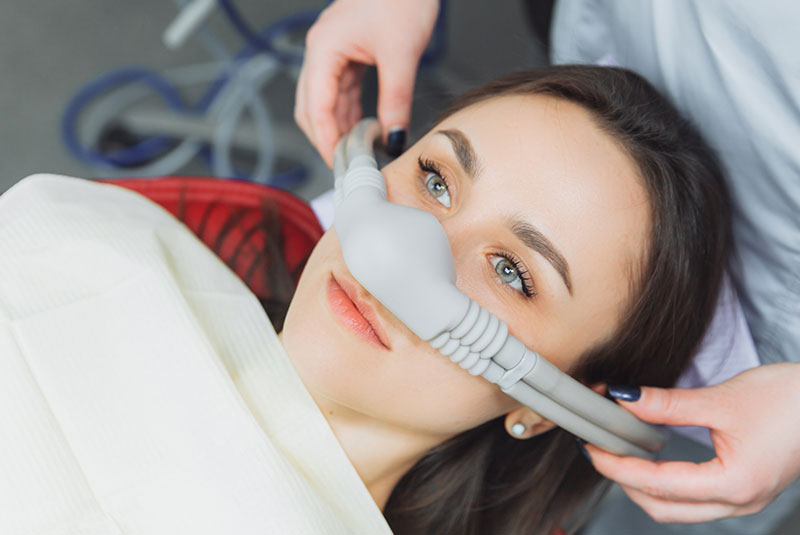
Often referred to as laughing gas, nitrous oxide is a safe, colorless blend of oxygen and nitrous gas that you breathe in through a small, comfortable mask—no needles required. It’s an excellent option for mild to moderate dental anxiety or a fear of injections, and it’s safe for children as well.

While you remain fully awake and responsive, you’ll feel calm and possibly even lighthearted or slightly euphoric. Once the gas is turned off and pure oxygen is delivered, the effects fade within minutes, allowing you to resume your normal routine quickly.

Oral sedation in Phoenix, AZ, involves taking a sedative pill about an hour before your dental appointment. As the name suggests, you’ll remain conscious, although you may drift off into a light sleep.

In most cases, you won’t recall details of your visit even though you can respond to questions and communicate with our team when prompted. Because side effects of the medication start quickly and can linger up to 24 hours, a trusted adult needs to drive you to and from our practice, and you need to rest.

IV sedation dentistry in Phoenix, AZ, is administered through a vein in your arm or hand by a board-certified anesthesiologist who works with our team on surgical cases. As the strongest level of conscious dental sedation, this induces a sleep-like state and short-term procedural amnesia. This type of sedation delivers comfortable dental treatment, whether you have severe dental anxiety or require oral surgery, such as impacted wisdom tooth extraction.

During general anesthesia, a combination of inhaled gases and IV medications is used to induce complete unconsciousness. While under anesthesia, you won’t be able to respond or feel any pain during the procedure. General anesthesia may be indicated if you have a high tolerance for medications used for IV sedation, a dental phobia, or you’re undergoing complex dental procedures.

Dr. Anderson offers the STA Single Tooth Anesthesia® system, a significant advancement in pediatric dentistry comfort and precision. This technology delivers targeted anesthesia to a single tooth instead of numbing an entire section of the mouth, making treatment more comfortable and controlled.

It’s especially beneficial for young children, patients with special needs, and anyone who feels anxious about traditional injections. Because surrounding tissues remain unaffected, patients can speak, eat, and return to normal activities much sooner. Unlike conventional sedation methods that may require extended recovery time, single tooth anesthesia will allow your children to return to school the same day!

The Benefits of Sedation at Anderson Dental

Many patients find that sedation enables them to move forward with important dental care they may have delayed for years. By easing both physical tension and emotional stress, sedation dentistry creates a more supportive and manageable experience, offering benefits such as:

patient is prep for for their dental sedation and treatment

Sedation Dentistry FAQs

Most sedation options place you in a deeply relaxed, conscious state, although you may briefly drift off with IV sedation and sometimes even oral sedation. General anesthesia is the absolute exception because it renders you fully unconscious.

For IV sedation and general anesthesia, you should avoid eating for 6–8 hours beforehand to reduce the risk of complications. In general, you should be able to take routine medications with a small sip of water unless instructed otherwise. Nitrous oxide doesn’t require dietary restrictions.

Sedation helps ease anxiety and emotional stress, but local anesthesia is still administered to numb the treatment area and ensure you remain comfortable and pain-free.

With oral conscious sedation, IV sedation, and general anesthesia, your vital signs—including heart rate, oxygen levels, and blood pressure—are continuously monitored. A trained anesthesiologist follows strict safety protocols and is prepared to manage emergencies, maintaining a controlled and secure environment throughout your procedure.

If you receive oral conscious sedation, IV sedation, or general anesthesia, you’ll need a responsible adult to drive you home due to lingering drowsiness and slowed reflexes. Patients who choose nitrous oxide are typically able to drive themselves afterward.

Dental anesthesia is also beneficial for individuals undergoing lengthy or complex procedures, as well as those with a strong gag reflex or difficulty remaining comfortable during treatment.

Dentistry Designed Around Your Comfort!

Explore sedation options at scheduling